Egypt - Mediterranean Connectivity
Egypt is seeking to strengthen its role as a regional hub for trade, energy and connectivity by developing an integrated network linking the Mediterranean with Africa and Europe, Ambassador Ahmed Abou Zeid said.
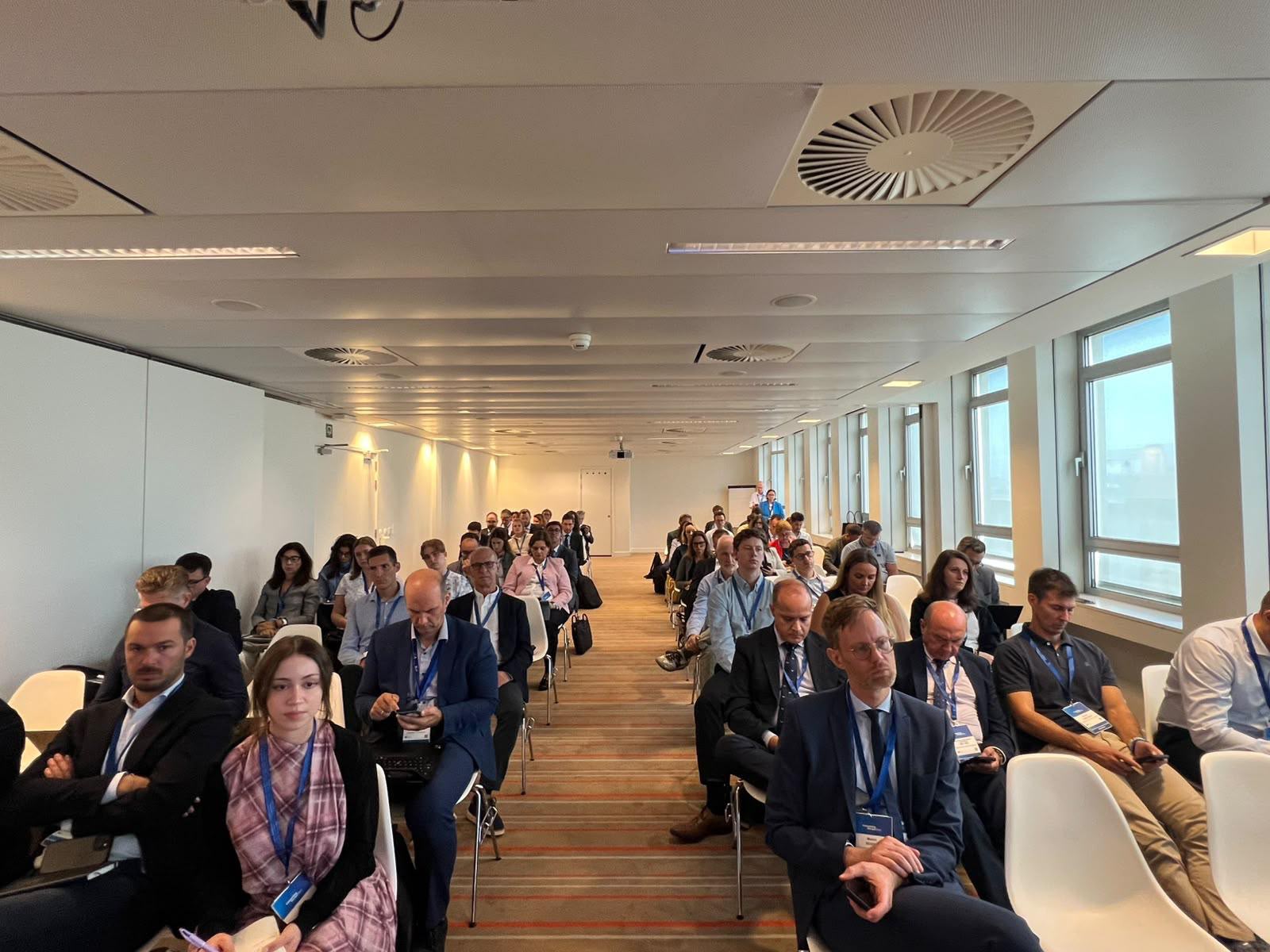
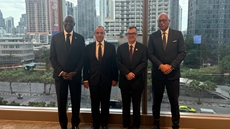
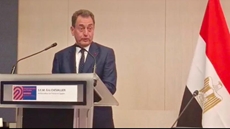
Ambassador Ahmed Abou Zeid participates in the European Transport and Mobility Conference, where he outlined Egypt’s vision for Mediterranean connectivity.
Key Highlights
Regional hub: Egypt aims to connect Mediterranean, African and European markets
Transport network: Ports, maritime routes, railways and logistics corridors form the backbone of the strategy
Energy links: SUMED, LNG facilities, green hydrogen and electricity interconnection support regional flows
Digital connectivity: Submarine cable projects including Medusa expand Egypt’s regional role
Resilience: Diversified routes are designed to maintain trade and energy flows during disruptions
European partnership: Cairo calls for closer consultation on regulations affecting southern Mediterranean economies
Connectivity by the Numbers
7 LOGISTICS CORRIDORS
Integrated routes supporting Egypt’s transport and trade infrastructure
≈ 10,000 KM
Railway lines forming part of Egypt’s expanding transport network
≈ 2,000 KM
Planned electric high-speed rail network
3,000+ PARTICIPANTS
Taking part in the European Transport and Mobility Conference
Egypt’s Connectivity Vision
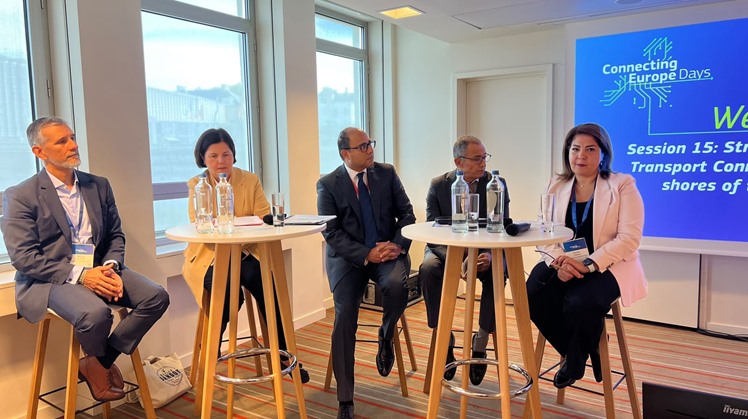
Speaking at the European Transport and Mobility Conference during a session on strengthening multimodal transport connectivity between the two shores of the Mediterranean, Abou Zeid outlined Egypt’s vision for building interconnected transport, energy and digital networks across the region.
The session brought together European officials, representatives from southern Mediterranean countries, transport and logistics companies, experts and other stakeholders.
Abou Zeid, Egypt’s ambassador to the European Union and Belgium, said the region is gradually moving toward a more integrated connectivity system involving ports, maritime routes, railways, pipelines, electricity grids and digital cables.
Geography into Strategy
Egypt’s strategic geographic position should not be viewed as an advantage in itself, but as an asset whose value depends on how effectively it is integrated into a broader economic and infrastructure strategy.
Diversified Trade and Energy Routes
Abou Zeid said Egypt’s approach is based on what he described as “flexible multilateralism,” aimed at diversifying trade and energy routes while providing reliable alternatives capable of maintaining the flow of goods and energy during periods of disruption.
At the center of this strategy is the Suez Canal, supported by seven integrated logistics corridors connecting different parts of Egypt’s transport and trade infrastructure.
• Around 10,000 kilometers of railway lines
• Approximately 2,000 kilometers of electric high-speed rail
• Seven integrated logistics corridors
• Connections between ports, industrial centers and major markets
According to Abou Zeid, the infrastructure network provides Egypt with an opportunity to connect Mediterranean trade routes with African markets while integrating them into wider international economic corridors.
Suez Canal and Supply Resilience
The Suez Canal remains a key component of Egypt’s connectivity strategy, linking major global trade routes between Asia, Europe and Africa.
Abou Zeid said the real value of a connectivity system becomes particularly evident during periods of crisis, when alternative routes and infrastructure can help maintain the movement of goods and energy.
He pointed to the disruption of maritime traffic through the Strait of Hormuz as an example, saying Egypt activated alternative routes for transporting goods and energy between the Gulf, Egypt and Europe.
Resilience During Disruption
The value of diversified infrastructure becomes most visible during crises, when alternative routes can help keep goods and energy moving across the region.
The ambassador also highlighted the operation of the SUMED pipeline at full capacity, alongside the availability of storage capacity for Gulf producers.
Energy and Digital Links with Europe
Egypt’s connectivity strategy extends beyond transportation and logistics to include energy infrastructure.
Abou Zeid highlighted the SUMED oil pipeline, as well as the liquefied natural gas facilities at Idku and Damietta, as key components of the country’s energy infrastructure.
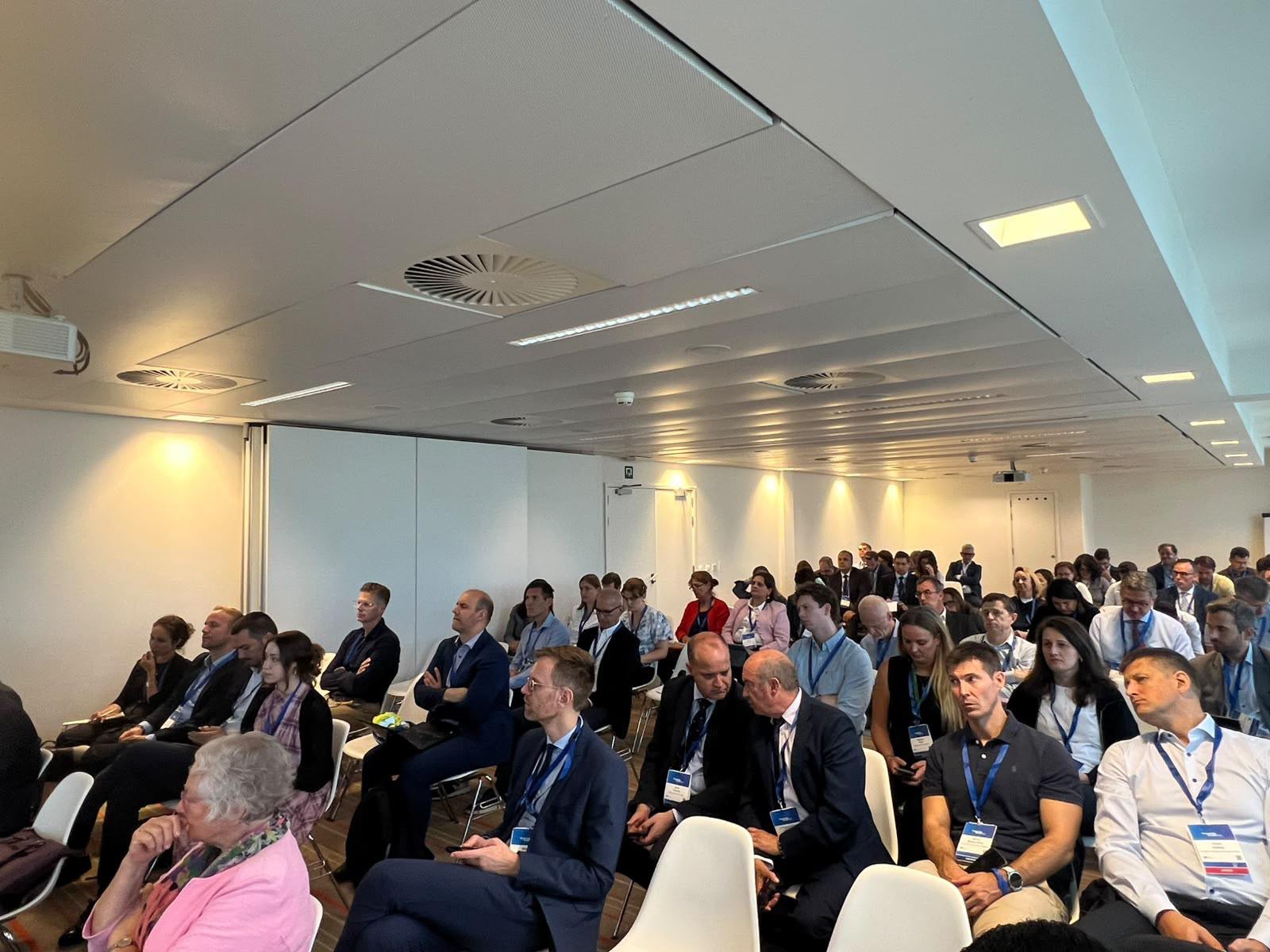
The European Transport and Mobility Conference brings together officials, industry leaders and experts from Europe and neighboring countries.
He also pointed to Egypt’s emerging green hydrogen projects involving European companies, alongside electricity interconnection projects linking Egypt with European markets.
• SUMED oil pipeline
• LNG facilities at Idku and Damietta
• Green hydrogen projects with European companies
• GREGY electricity interconnection with Greece
• Medusa and other submarine digital cable projects
Together, these projects form part of a broader effort to position Egypt as a connection point between African, Mediterranean and European markets.
Abou Zeid also highlighted Egypt’s transport corridors linking the Mediterranean with Africa, saying they could strengthen the integration of trade, transport and energy networks while connecting Egyptian infrastructure to wider international economic and logistics initiatives.
The approach reflects a broader effort to move beyond the traditional concept of Egypt as a transit point and instead develop interconnected infrastructure that supports trade, investment and industrial activity across multiple markets.
Closer Coordination with Europe
The ambassador called for greater policy coordination between European institutions and southern Mediterranean countries, particularly when European regulatory measures could affect infrastructure and the competitiveness of economies in the region.
He specifically referred to measures linked to the European Union Emissions Trading System and proposals to expand its scope.
Egypt, he said, is not seeking exemptions from European regulations. Instead, Cairo is calling for greater consultation with southern Mediterranean partners before regulations affecting their infrastructure and competitiveness are introduced.
One Mediterranean System
Northern and southern Mediterranean countries should build a single interconnected regional system rather than develop two separate networks on either side of the sea.
A Single Regional Network
Abou Zeid said cooperation between northern and southern Mediterranean countries should be based on genuine consultation, joint investment and stronger capacity to respond to crises.
Such a system would help maintain the continuity of trade, energy supplies and digital connectivity while strengthening economic integration between Europe, the Mediterranean and Africa.
The vision places Egypt’s existing infrastructure, including the Suez Canal, logistics corridors, railways, energy facilities and submarine cables, within a wider regional framework connecting multiple economic and strategic routes.
A Major European Transport Gathering
The European Transport and Mobility Conference is among the European Union’s major events dedicated to transport and mobility, bringing together more than 3,000 participants from across Europe and neighboring countries.
Participants include ministers, members of the European Parliament, senior representatives of the European Commission and relevant agencies, as well as leaders from international financial institutions, industry and the private sector.
For Egypt, the strategy outlined at the conference links its geographic position with a wider network of infrastructure, energy and trade assets, positioning the country as a potential bridge between Europe, the Mediterranean, the Gulf and Africa.
 Tue, Sep. 29, 2026