Egypt - Public Health Milestone
Egypt has become the first country in the world to receive official confirmation from the World Health Organization that it has maintained gold-tier status on the path to eliminating hepatitis C, marking another milestone in the country’s public health efforts.
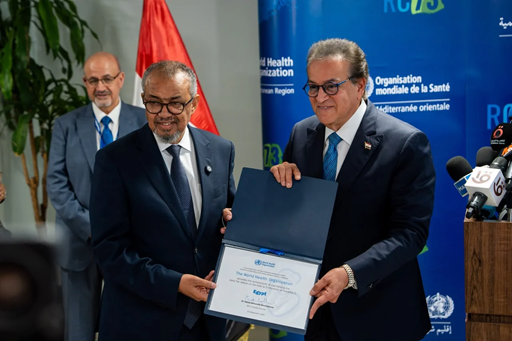
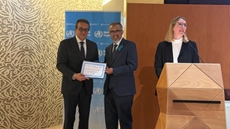
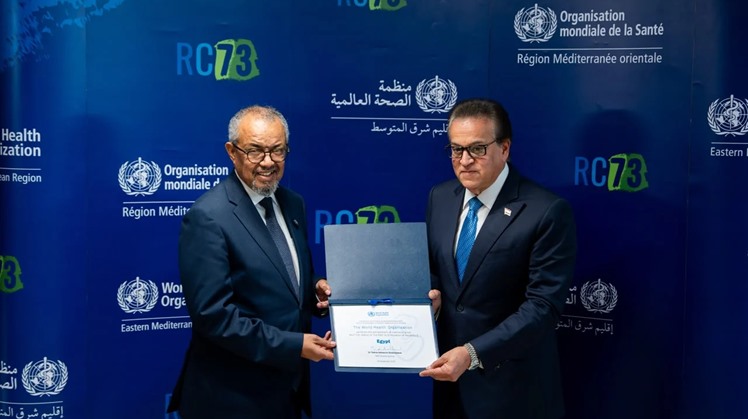
WHO Director-General Tedros Adhanom Ghebreyesus presents Egypt’s gold-tier recognition certificate to the Egyptian health minister.
Key Highlights
Global first: Egypt becomes the first country to retain WHO gold-tier status on the path to eliminating hepatitis C
Prevalence: Hepatitis C prevalence fell from around 10% to below 0.38%
Mass screening: More than 60 million people screened through the 100 Million Healthy Lives initiative
Treatment: More than 4.5 million people living with hepatitis C received treatment
Long-term strategy: Egypt is shifting from mass campaigns toward routine testing, treatment and surveillance
Healthcare integration: Hepatitis services are being incorporated into primary care and universal health insurance
Egypt’s Hepatitis C Progress
10% → <0.38%
Decline in hepatitis C prevalence over slightly more than a decade
60M+ SCREENED
Through Egypt’s nationwide 100 Million Healthy Lives initiative
4.5M+ TREATED
People living with hepatitis C received treatment
The WHO announced the recognition during the 73rd session of its Regional Committee for the Eastern Mediterranean, following a comprehensive assessment of Egypt’s progress between 2023 and 2025.
The assessment was endorsed in July 2026 by the WHO Regional Validation Committee for HIV, Hepatitis and Sexually Transmitted Infections.
Egypt first achieved the WHO’s gold-tier status in 2023, becoming the first country globally to reach that level under the organization’s validation criteria. The recognition followed a sharp decline in hepatitis C prevalence, from approximately 10% to less than 0.38% over slightly more than a decade.
From Campaign to Sustainable Elimination
Egypt’s renewed recognition reflects not only the scale of its mass screening campaign, but also its ability to build the healthcare systems needed to prevent hepatitis C from returning.
From Mass Screening to Long-Term Prevention
According to the WHO, Egypt’s ability to maintain its gold-tier status reflects the Ministry of Health and Population’s continued commitment to hepatitis C prevention, testing, treatment and follow-up care.
The organization highlighted Egypt’s efforts to strengthen disease surveillance and healthcare systems to prevent a resurgence of infections.
Much of this progress can be traced to Egypt’s nationwide 100 Million Healthy Lives initiative, which screened more than 60 million people and provided treatment to over 4.5 million people living with hepatitis C.
Screening: Nationwide testing on an unprecedented scale
Treatment: Broad access to direct-acting antiviral medicines
Prevention: Stronger surveillance to reduce the risk of new infections
Local production: Egyptian-made medicines helped expand affordable access to treatment
The WHO said the campaign demonstrated how high-level political commitment, coordinated government action and accessible treatment could significantly reduce the burden of a major infectious disease.
A key part of the initiative was the widespread availability of locally manufactured direct-acting antiviral medicines, which helped expand access to treatment across the country.
Building Hepatitis Care into the Health System
Since receiving gold-tier recognition in 2023, Egypt has gradually moved away from large-scale screening campaigns toward a more sustainable approach integrated into its healthcare system.
This transition has focused on routine testing, early diagnosis, treatment, prevention and continuous surveillance.
• Continued expansion of hepatitis C screening and treatment services
• Stronger healthcare governance for the 2025–2030 period
• Integration of hepatitis services into primary healthcare
• Expansion through the universal health insurance system
• Improved laboratory quality and disease surveillance
• Continued blood transfusion and medical injection safety
Egypt has also introduced a national plan to sustain progress toward viral hepatitis elimination, while continuing to integrate hepatitis services into primary healthcare and the universal health insurance system.
Protecting the Gains
The next phase is focused on ensuring that hepatitis C elimination becomes a permanent part of Egypt’s healthcare system rather than a one-time national campaign.
Impact on Millions of Lives
The WHO said Egypt’s sustained efforts have helped protect millions of people from hepatitis C infection and reduced the risk of families losing loved ones to the disease.
The organization also highlighted the wider public health benefits of the campaign, which has helped improve long-term health outcomes for an entire generation.
Throughout Egypt’s efforts to tackle hepatitis C, the WHO has provided technical guidance and support in prevention, testing, treatment and surveillance.
Egypt’s renewed gold-tier recognition reflects not only the scale of its earlier hepatitis C campaign but also its progress in building the systems needed to sustain those gains over the long term.
 Wed, Oct. 14, 2026