Egypt - Water & Food Security
Egypt highlighted its efforts to strengthen water security, modernize irrigation systems and expand water recycling and desalination during a documentary screened at Egypt Forum 2026 in the presence of President Abdel Fattah El-Sisi.
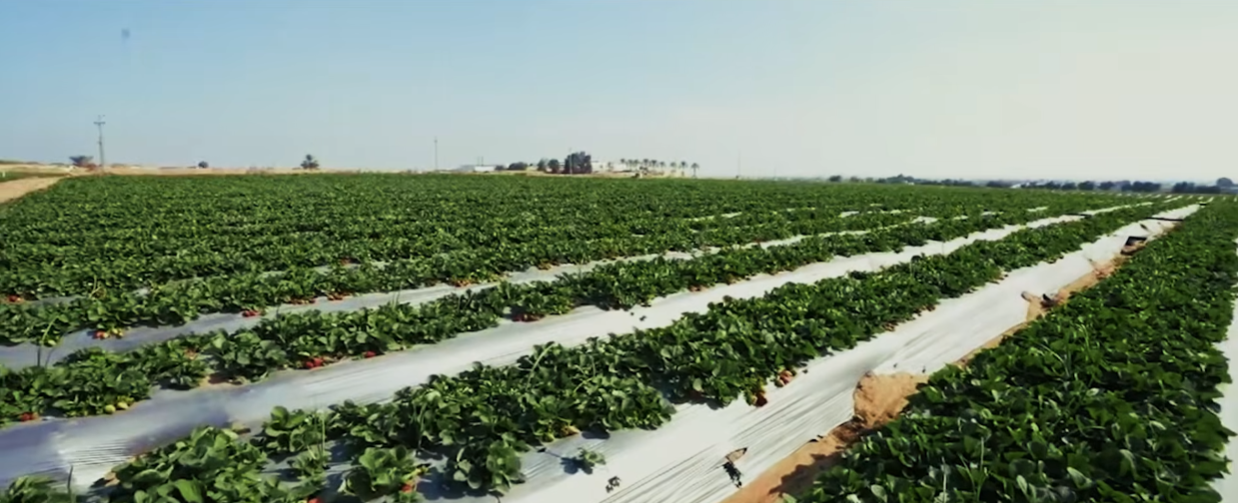
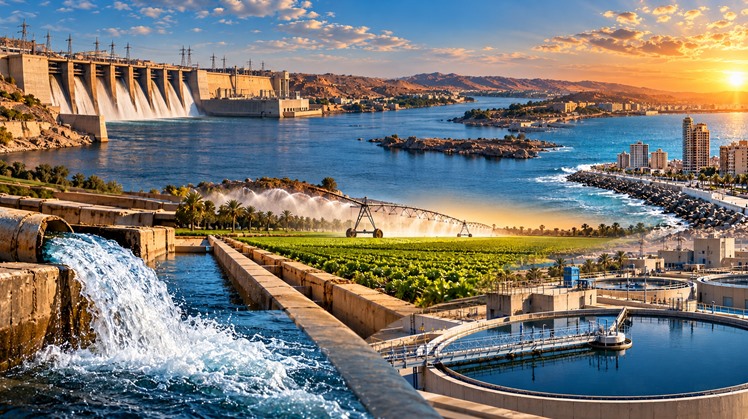
A documentary screened at Egypt Forum 2026 traced the country’s water-management system and the infrastructure supporting water and food security.
Key Highlights
Integrated management: Egypt is combining storage, distribution, irrigation, treatment and reuse within a single water-security framework
Irrigation: Canal rehabilitation and modern irrigation aim to improve distribution efficiency and reduce losses
Water reuse: Expanded wastewater treatment is helping reduce pressure on freshwater resources
Desalination: Seawater desalination is supporting supply diversification in coastal and remote areas
Food security: Water infrastructure is directly linked to land reclamation and agricultural expansion
Climate resilience: Flood-control and coastal-protection projects aim to safeguard vulnerable communities and infrastructure
Egypt’s Integrated Water Security System
Storage & regulationMajor hydraulic infrastructure manages flows and distributes water across the country
Irrigation efficiencyCanal rehabilitation, modern irrigation and digital monitoring reduce losses
Treatment & reuseWastewater is treated and reused where quality standards permit
Supply diversificationDesalination and upgraded drinking-water networks supplement conventional resources
Agriculture & food securityWater infrastructure supports land reclamation, agricultural expansion and productivity
Climate adaptationFlood protection and coastal defenses reduce risks to communities and infrastructure
Managing a Limited Resource
The documentary was presented during a session titled "Food and Water Security: Today's Challenges and Guarantees for the Future," examining how Egypt manages its limited water resources while responding to growing demand, population pressures and climate change.
It traced the country's water management system from storage and distribution through major hydraulic infrastructure to irrigation networks, wastewater treatment, drinking water supplies, agricultural land reclamation and coastal protection.
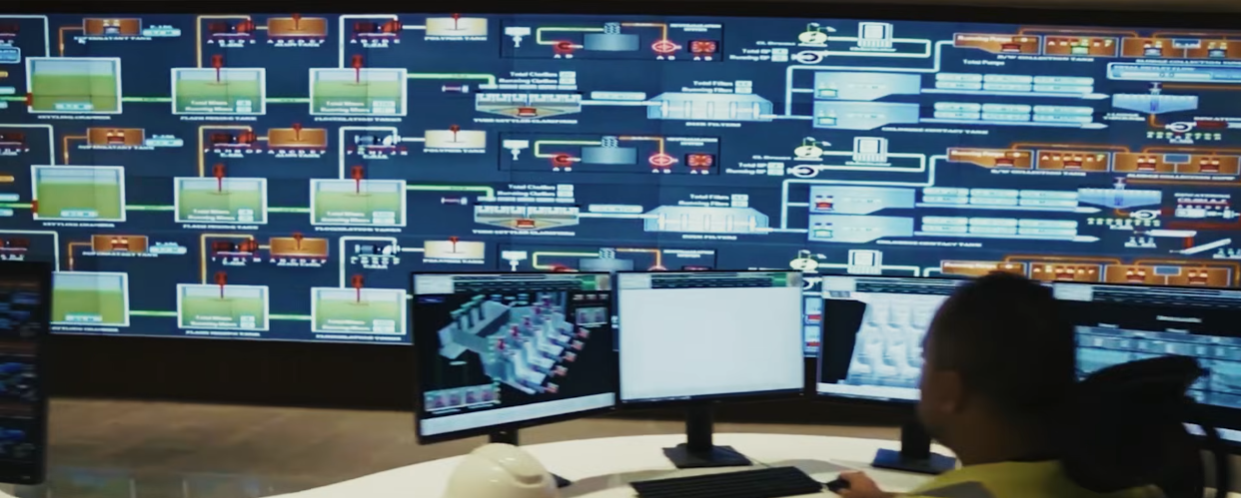
The film examined the different stages of Egypt’s water-management system and the infrastructure used to regulate, transport and conserve supplies.
The film emphasized the importance of integrated water resource management and more efficient consumption to meet the needs of different sectors while supporting food security and sustainable development.
Every Drop as a Strategic Resource
Egypt’s approach increasingly treats water security as an integrated national system linking infrastructure, agriculture, technology, environmental protection and the efficient use of every available resource.
Modernizing Water Infrastructure and Irrigation
The documentary examined the role of the Aswan High Dam, barrages and other hydraulic structures in regulating water flows and directing supplies to different regions.
It also highlighted projects to rehabilitate irrigation canals and waterways, improve distribution efficiency and reduce water losses, helping ensure that supplies reach agricultural areas at the ends of canal networks.
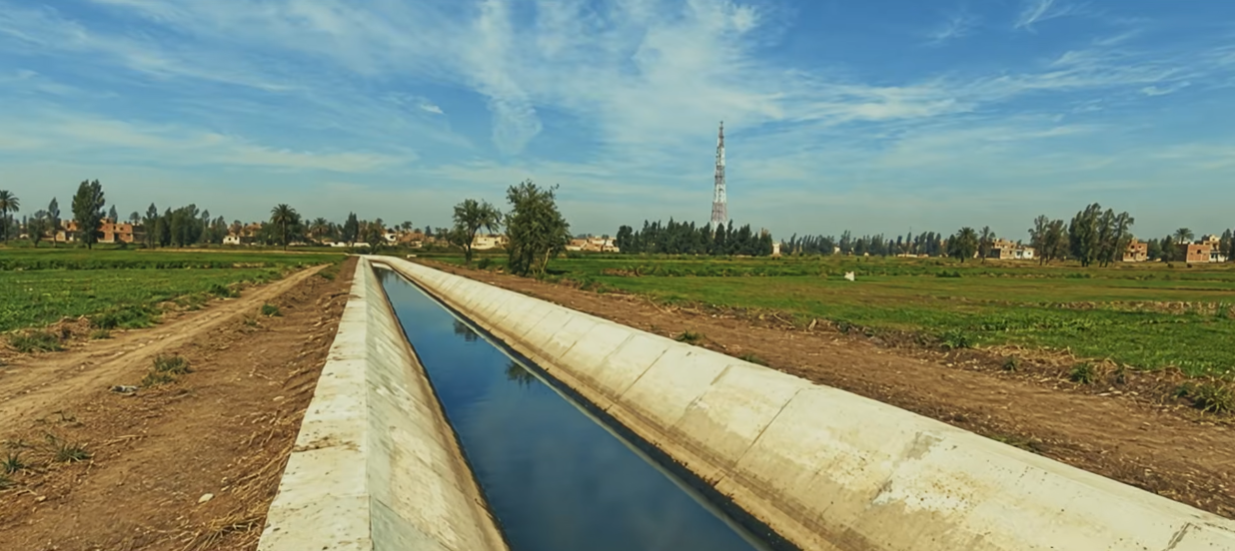
The documentary highlighted infrastructure and modernization projects forming part of Egypt’s wider water-security strategy.
Modern technology has become an increasingly important part of water management, the film noted, with satellite imagery, drones and digital databases used to monitor infrastructure, identify maintenance needs and detect potential problems.
• Satellite imagery for large-scale monitoring
• Drones for infrastructure inspection
• Digital databases for faster assessment and maintenance
• Modern irrigation practices aligned with crop water requirements
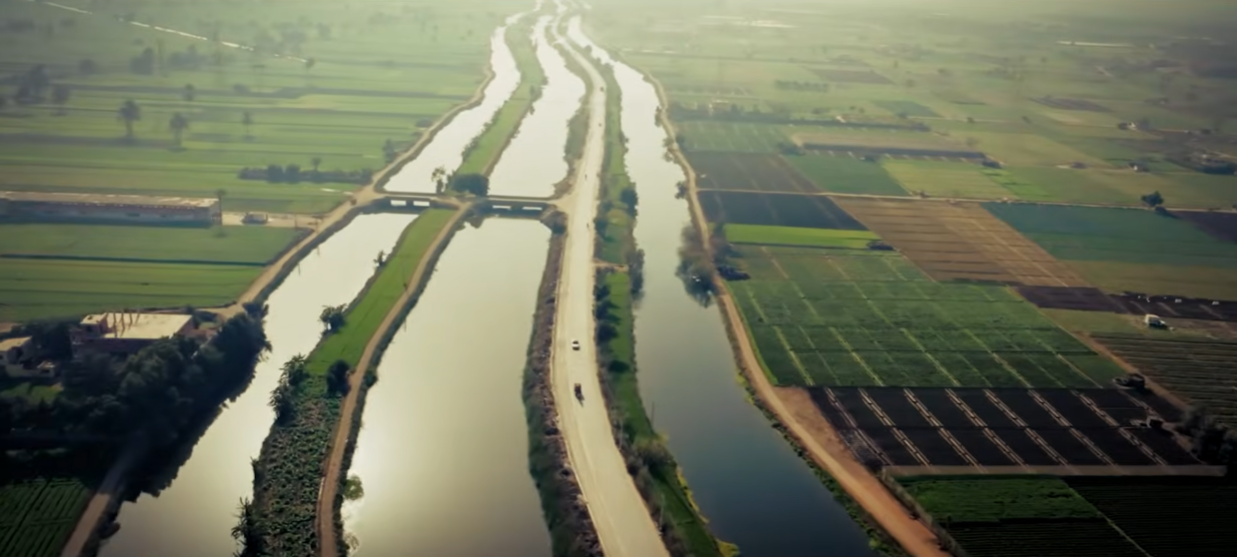
Modern monitoring and infrastructure management were presented as central to improving the efficiency of Egypt’s water network.
These tools help authorities make faster decisions and improve the efficiency of water distribution and infrastructure management.
The documentary also emphasized the expansion of modern irrigation systems and improved agricultural practices designed to match water use with crop requirements, reduce waste and maximize the benefits of available resources.
Expanding Wastewater Treatment and Reuse
Wastewater treatment and reuse featured prominently in the documentary as important tools for easing pressure on Egypt's freshwater supplies.
The film outlined the different stages of wastewater treatment, including the removal of waste, sediments and organic matter, followed by filtration and disinfection where required by the treatment process and intended use.
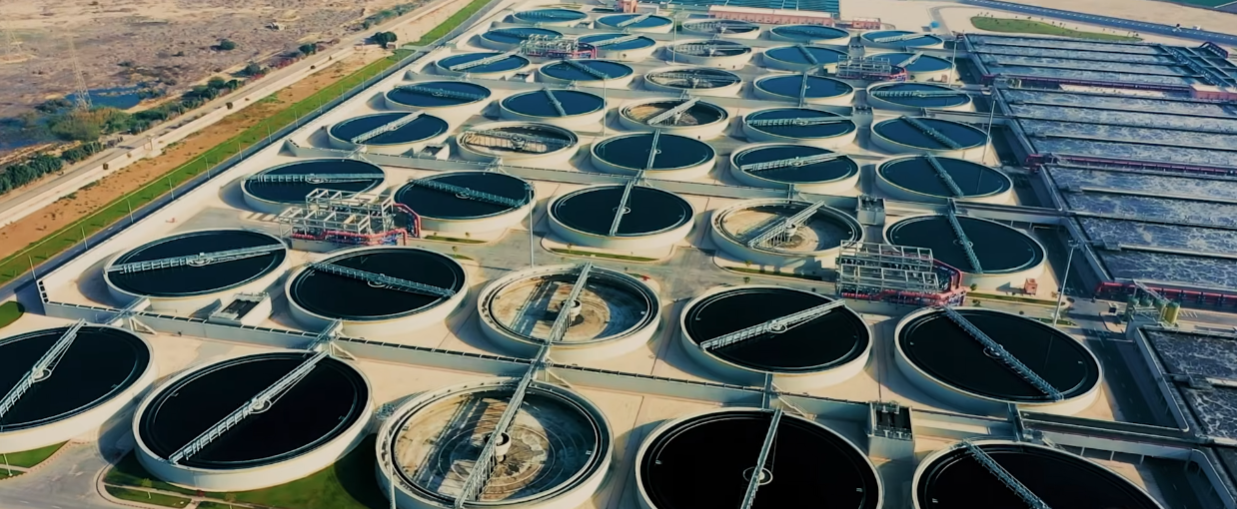
Water treatment and reuse were among the major themes examined in the documentary screened during Egypt Forum 2026.
It also examined technological advances that allow some treatment facilities to use sludge to generate energy, reducing electricity consumption and improving operational efficiency.
From Reuse to Resilience
Expanding safe water reuse allows Egypt to extract greater value from existing resources while reducing pressure on limited freshwater supplies.
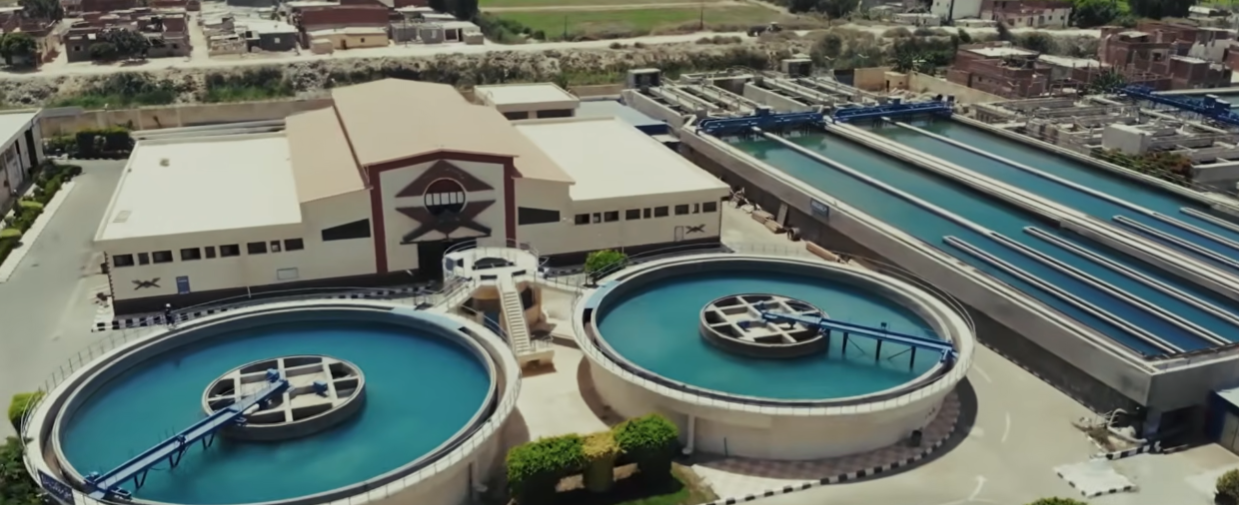
The film presented water reuse as a key component of efforts to maximize the value of Egypt’s available resources.
The documentary stressed that treated water can be reused for suitable purposes when it meets applicable quality standards and regulatory requirements.
Expanding these practices, it noted, can help Egypt make better use of its existing water resources while reducing demand for freshwater.
Desalination and Drinking Water Infrastructure
The film highlighted seawater desalination as another component of Egypt's efforts to diversify water supplies, particularly in coastal and remote areas where access to freshwater is limited.
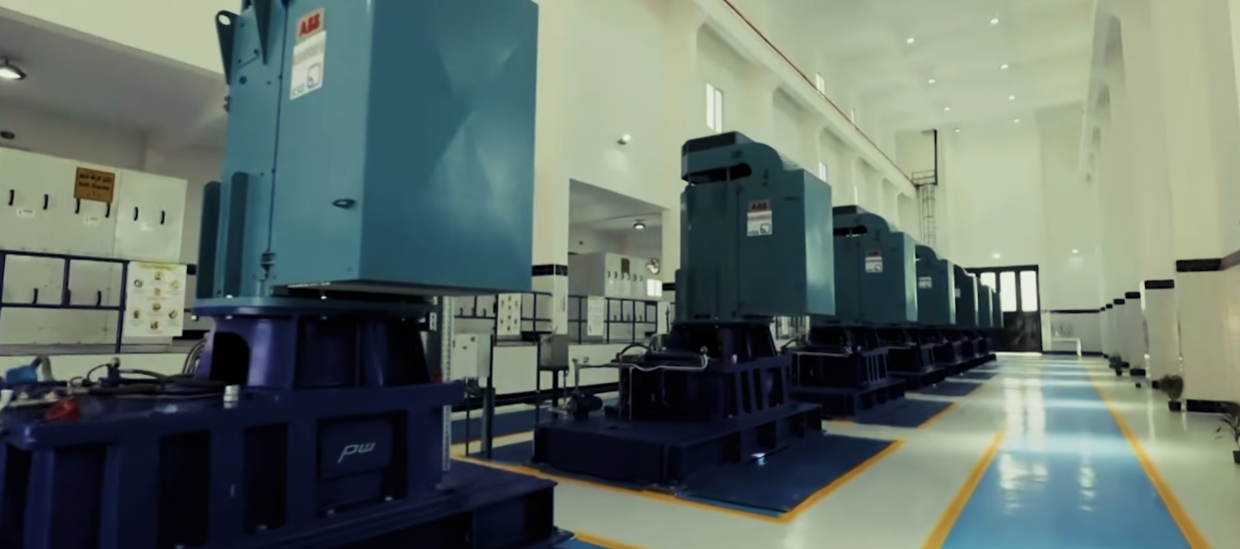
Diversifying water supplies forms part of Egypt’s response to limited resources and rising demand.
It also examined improvements to drinking water infrastructure, including pumping stations, treatment facilities and transmission and distribution networks.
These projects aim to improve access to drinking water and ensure that supplies meet the required quality standards.
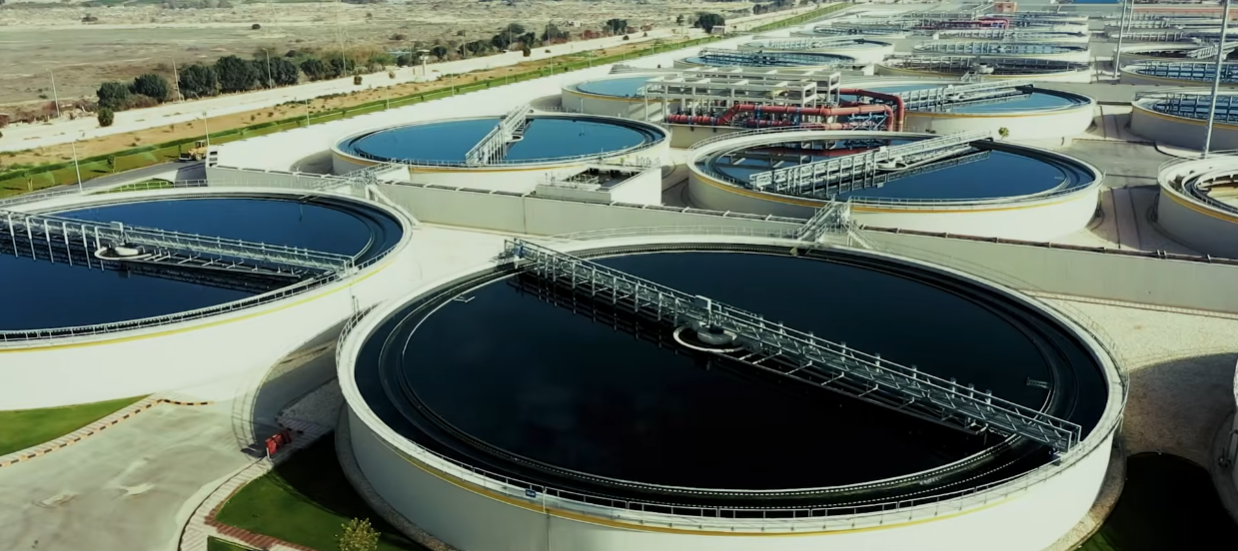
The documentary reviewed infrastructure supporting the treatment, transmission and distribution of water across Egypt.
The documentary presented diversification of water sources as an important response to the country's limited water resources and growing demand.
Water and Food Security as One System
The documentary drew a direct connection between water management and Egypt's agricultural development plans.
It highlighted projects involving water collection, treatment and transportation that support land reclamation, agricultural expansion and increased production.
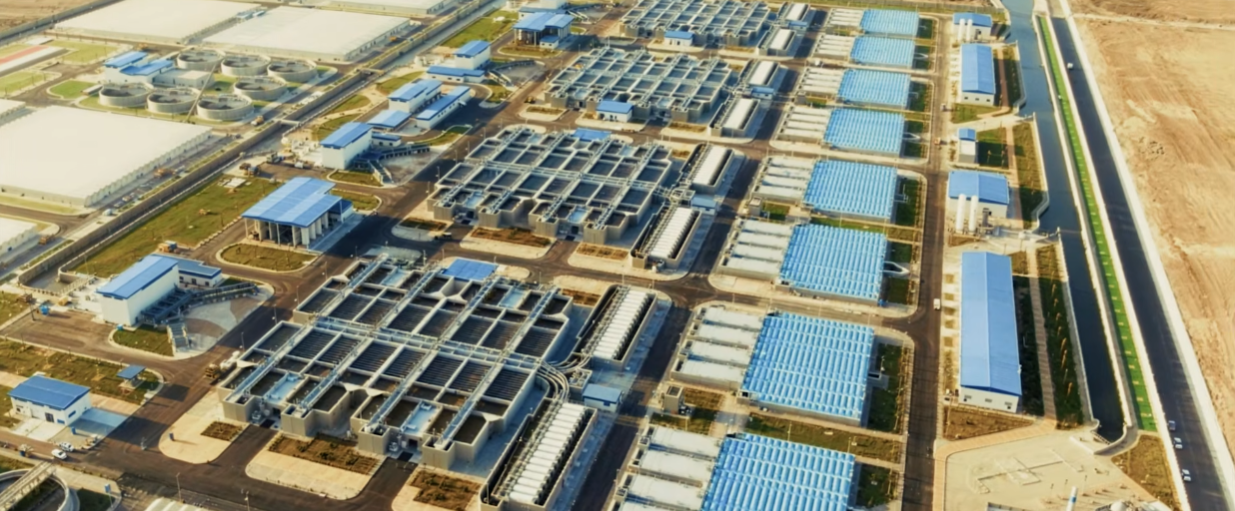
Water management was presented as a fundamental part of Egypt’s plans for agricultural expansion and stronger food security.
Water and Food Security Are Interlinked
Agricultural expansion depends not only on bringing new land into production, but on managing available water efficiently enough to sustain that expansion over the long term.
However, the film stressed that expanding cultivated areas requires an integrated water management system capable of balancing agricultural growth with the efficient use and conservation of available resources.
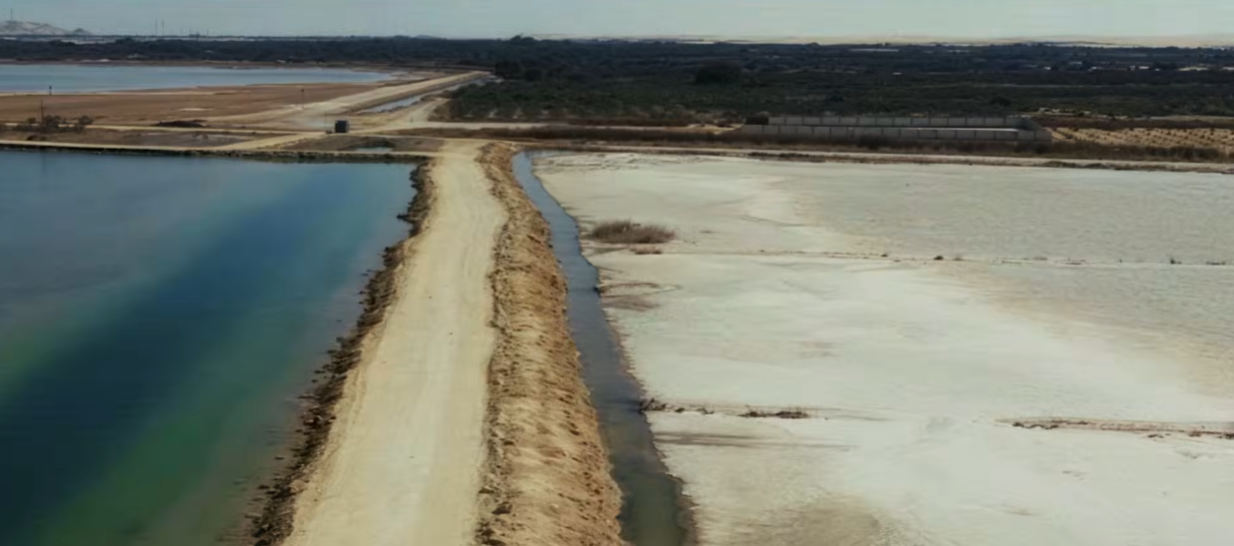
The documentary connected efficient water use with land reclamation, agricultural productivity and Egypt’s wider food-security goals.
Such an approach is essential to improving agricultural productivity and strengthening the sector's ability to meet the country's food requirements.
Protecting Communities from Climate Risks
The documentary also reviewed projects designed to protect communities and infrastructure from flash floods, particularly in Upper Egypt and Sinai.
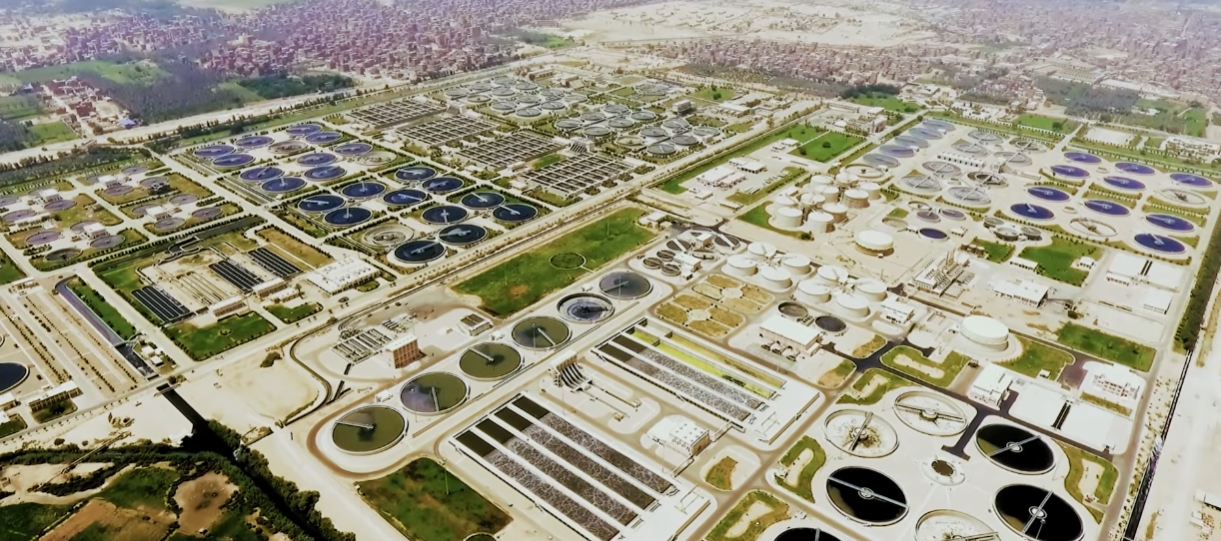
Climate adaptation and protection of vulnerable communities formed another pillar of the water-security documentary.
Coastal protection initiatives were another focus, especially in the Nile Delta, where rising sea levels and other climate-related impacts pose challenges to vulnerable coastal areas.
Water Security as Climate Security
Flood protection and coastal defenses extend water policy beyond supply management, turning it into a broader strategy for protecting communities, infrastructure and economic activity from climate-related risks.
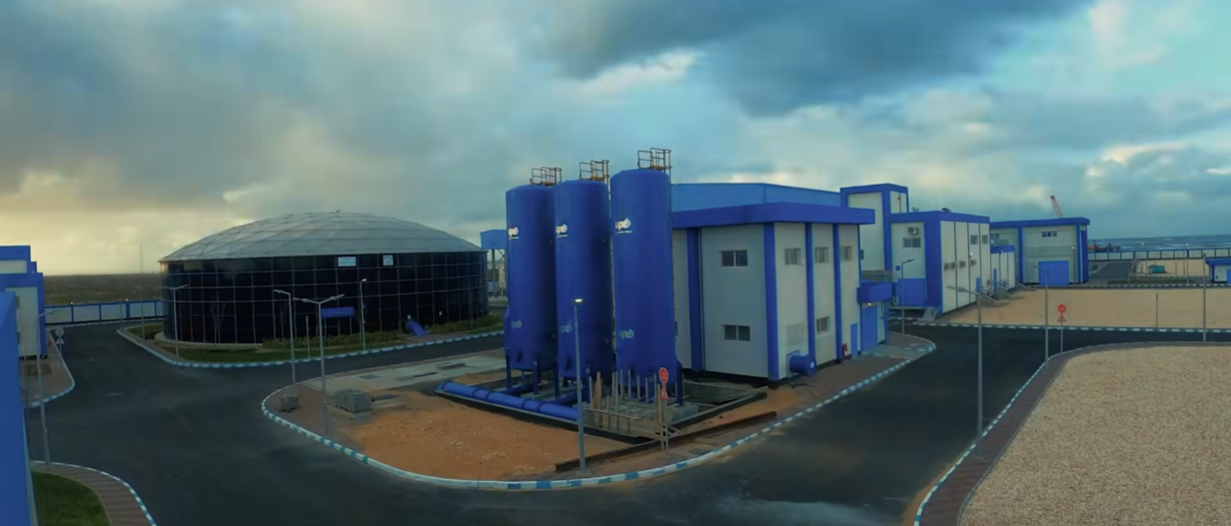
The film concluded by linking water security with agricultural production, sustainable development, climate resilience and public safety.
The film highlighted the importance of preparing for these risks through infrastructure development and improved water management.
The Long-Term Water Security Challenge
The documentary concluded that water security is closely linked to agricultural production, economic development and public safety.
Addressing future challenges, the documentary emphasized, will require continued investment in modern technology, wastewater reuse, efficient consumption and stronger public awareness of the importance of conserving water.
The Strategic Equation
For Egypt, future water security depends on combining infrastructure, technology, reuse, efficient consumption and public awareness within one long-term national strategy.
 Thu, Oct. 22, 2026