CAIRO, February 1st, 2026: Regular movement of Gaza residents in and out of the territory is set to resume on Monday for the first time in a year, according to Palestinian and Israeli media reports.
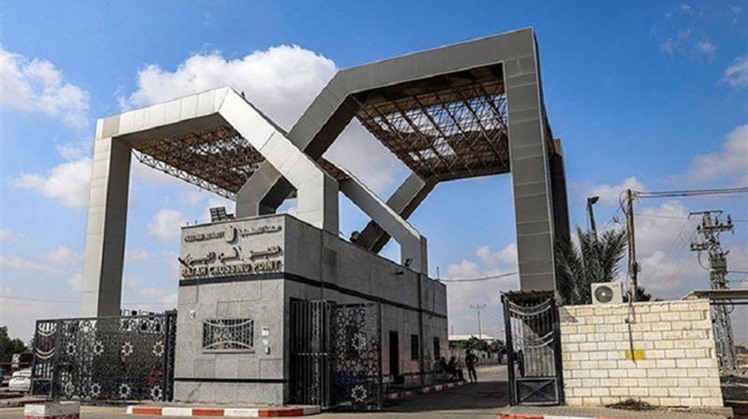
This comes after the Rafah border crossing between Egypt and the Gaza Strip reopened early Sunday in both directions on a limited, trial basis, following prolonged and repeated delays by Tel Aviv, According to Ahram Online.
The development follows months of pressure from humanitarian organisations, which have described conditions in Gaza as catastrophic and repeatedly called on Israeli authorities to ease restrictions.
Under the ceasefire agreement signed in the second week of October, which ended the war in Gaza, Israeli authorities were supposed to open the Rafah crossing, which serves as Gaza's primary gateway to Egypt. However, Israel, which has controlled the Palestinian side of the crossing since May 2024, delayed the reopening.
Israel had previously pledged on several occasions - most recently in December - to allow the crossing to reopen. Rafah is the only direct link between Gaza and Egypt, aside from five other crossings that connect to Israel.
Egyptian sources told Ahram Weekly that the impasse was largely due to Israel’s preference to operate Rafah as an exit point. Egypt, however, maintained a firm stance, refusing to operate its side of the border unless Palestinians were also permitted to return to the Gaza Strip.
A source at the border told AFP that Sunday would largely be devoted to preparations and logistical arrangements. The crossing is set to open on a trial basis to allow the passage of wounded individuals, ahead of a regular reopening scheduled for Monday, three sources at the crossing said.
However, no agreement has yet been reached on the number of Palestinians permitted to enter or exit. Egypt plans to admit “all Palestinians whom Israel authorizes to leave” Gaza, the sources added.
The reopening is also expected to facilitate the entry of a 15-member Palestinian technocratic body, the National Committee for the Administration of Gaza (NCAG), which was established to oversee the day-to-day governance of the territory’s 2.2 million residents.
In mid-January, US President Donald Trump announced the start of this phase, which includes a further withdrawal of Israeli forces from Gaza, and the launch of reconstruction efforts, which the United Nations has estimated will cost around $70 billion.
 Sun, Feb. 1, 2026